💎 Premium Product Catalog (Series I)
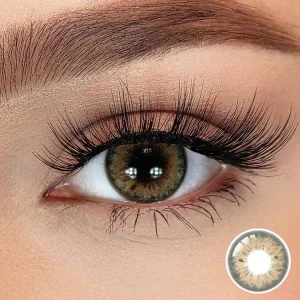
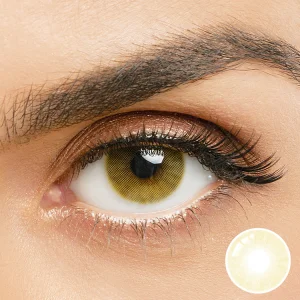
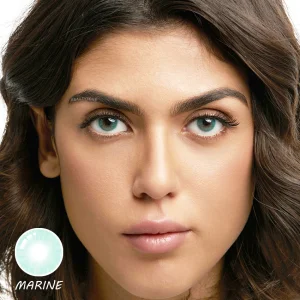
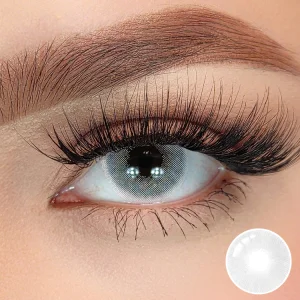
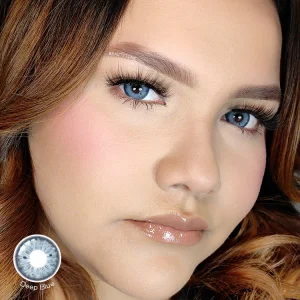
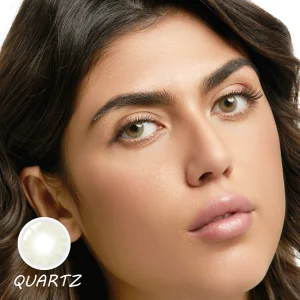
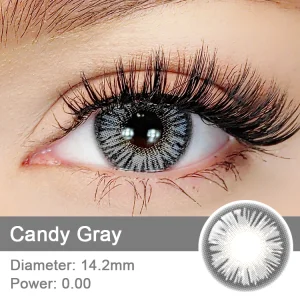
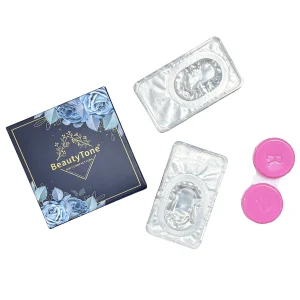
🌍 Global UV Protection Contact Lens Market Overview
Market Growth & CAGR
The global contact lens market is projected to reach $15 billion by 2028. UV-blocking integration is no longer a luxury feature but a standard requirement for Class II medical devices in North America and Europe.
The Ocular Health Paradigm
Chronic exposure to UV radiation is linked to cataracts and macular degeneration. High-performance factories now focus on Class 1 UV blockers that absorb >90% of UVA and >99% of UVB rays.
Regulatory Landscape
Adherence to ISO 13485 and NMPA (formerly CFDA) standards ensures that lenses manufactured in China meet global biocompatibility and safety protocols for long-term wear.
Shenzhen Blinkylens Technology CO.,LTD is a premier, source-factory based in Dongguan, China, specializing in high-volume, B2B contact lens production. By eliminating intermediaries, we provide global distributors, optical chains, and bulk buyers with direct factory wholesale pricing without compromising on product excellence. Our facility features multi-lane, fully automated cast-molding lines capable of scaling production up to millions of pieces annually. From daily disposable clears to trend-forward monthly colored lenses, our robust manufacturing infrastructure ensures stable lead times, hyper-competitive cost structures, and uncompromised batch-to-batch consistency.
🏭 Advanced Production Infrastructure
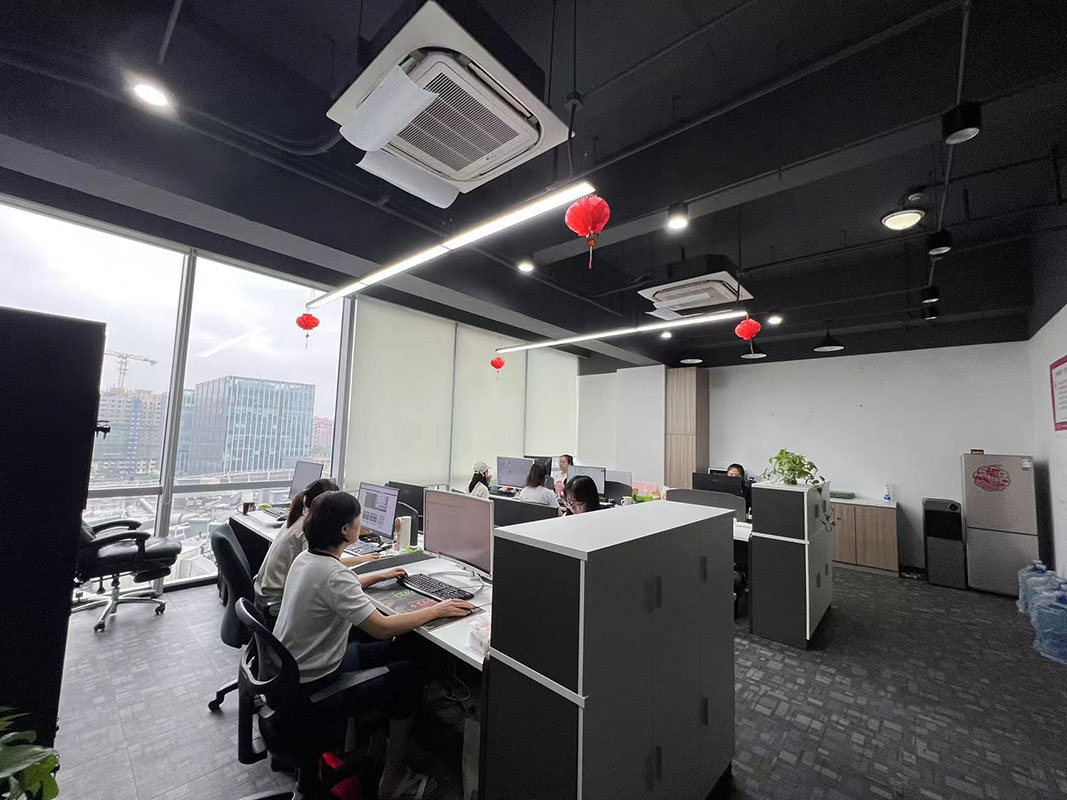
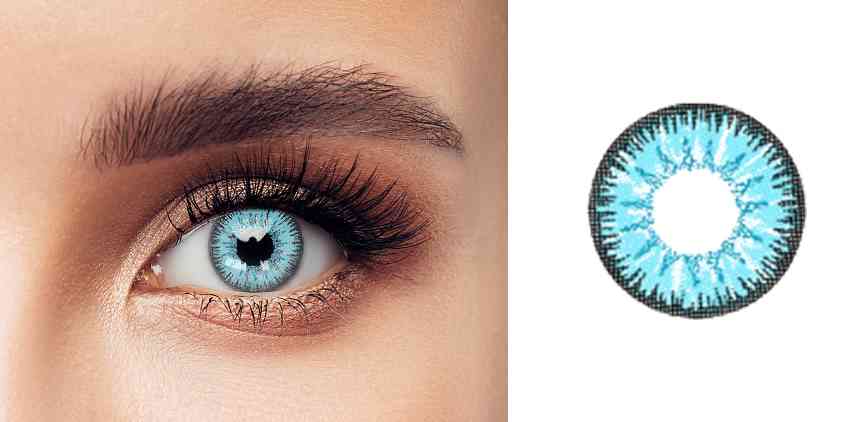
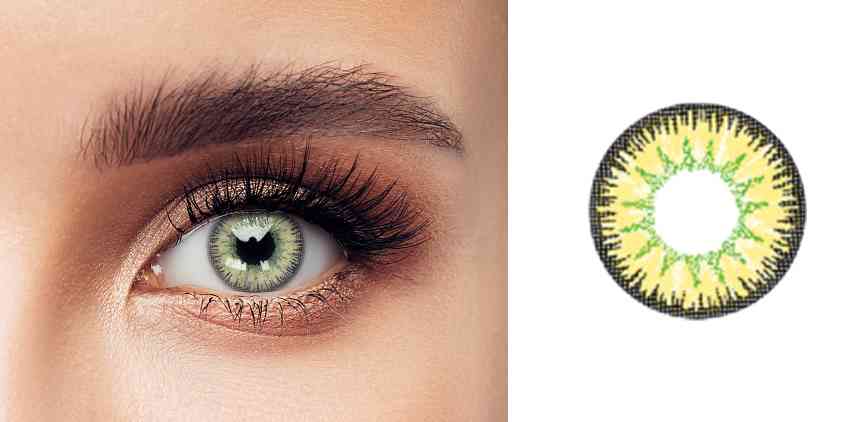
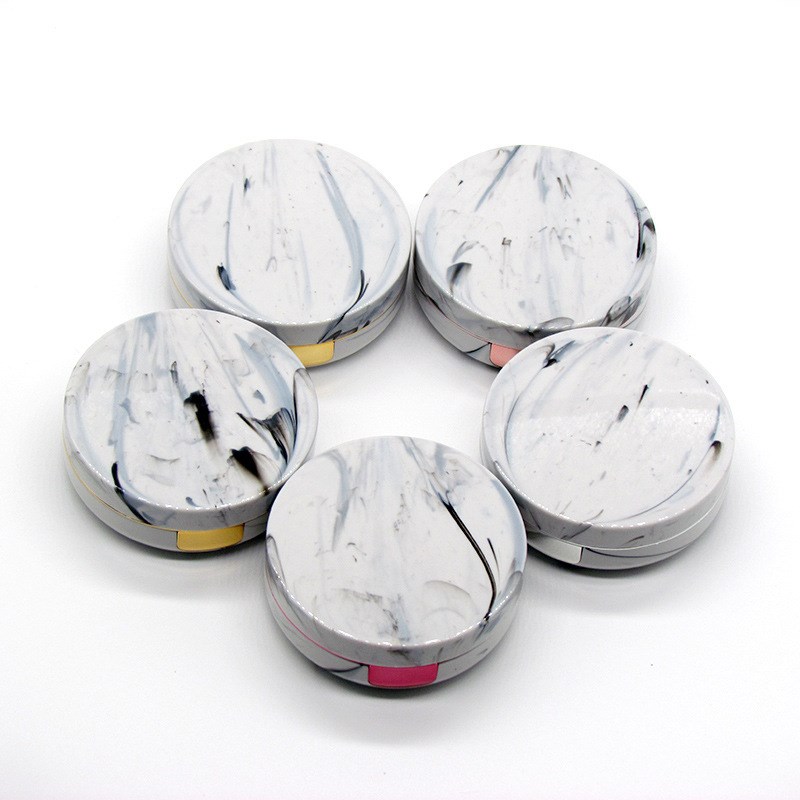
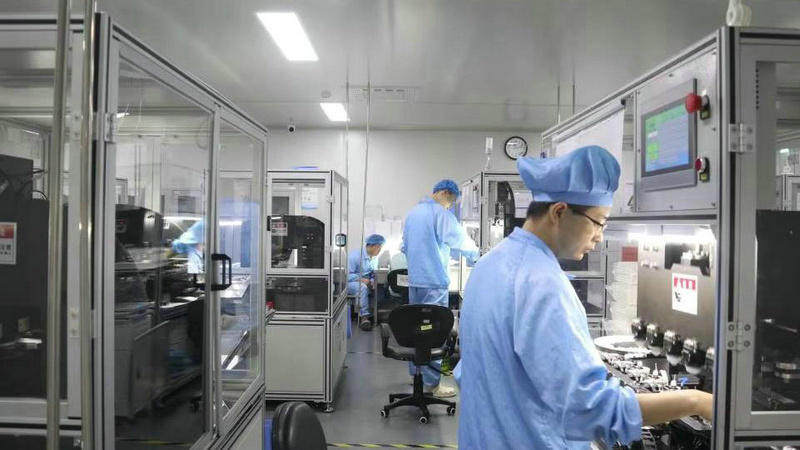
Printing Machine
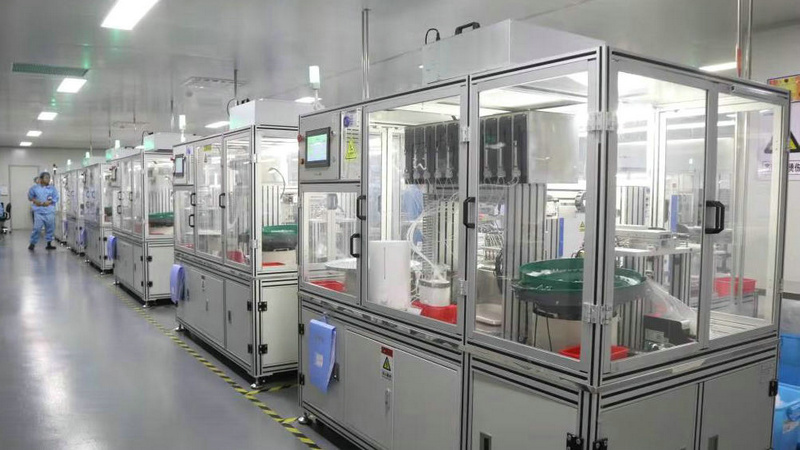
Molding
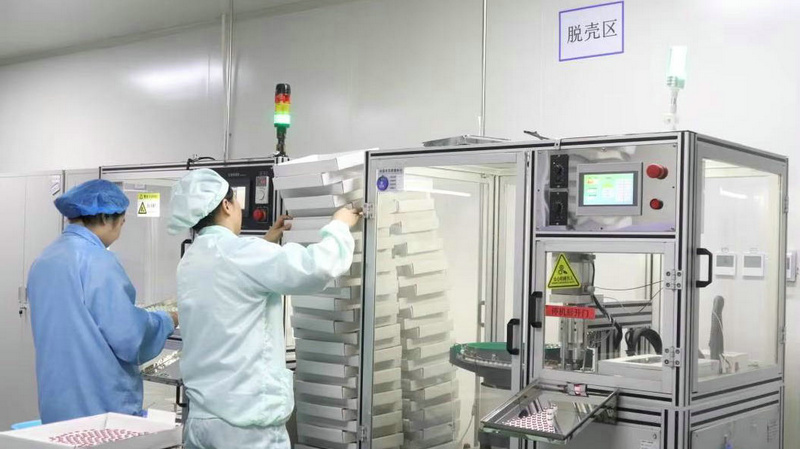
Demolding Machine
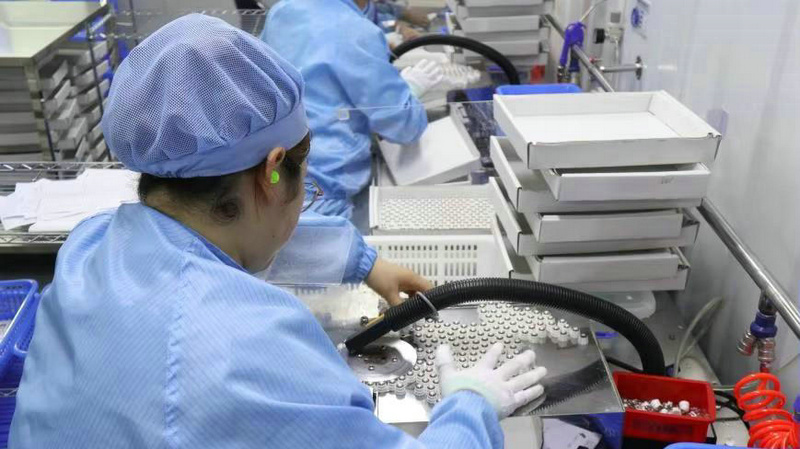
Absorption

Softening & Cleaning
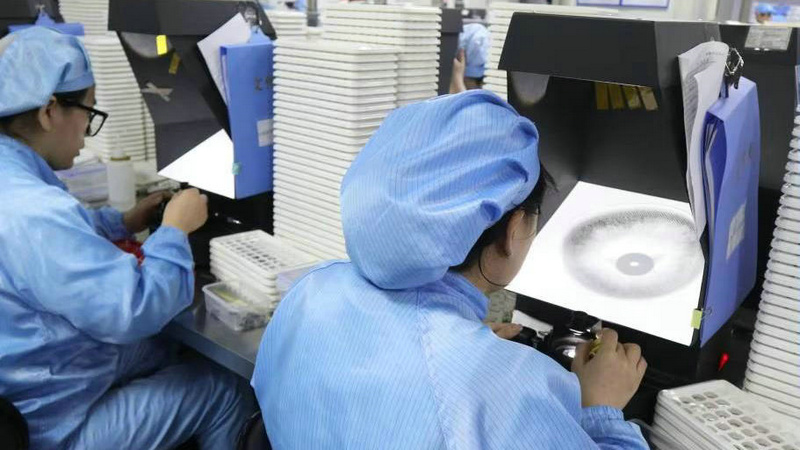
Testing
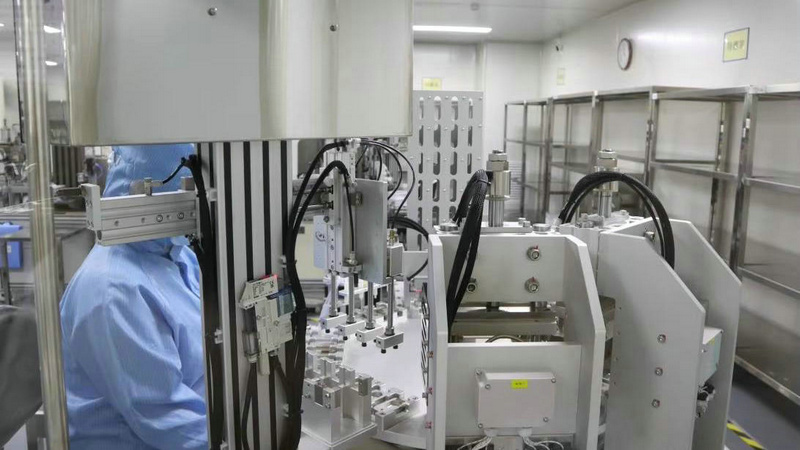
Filling
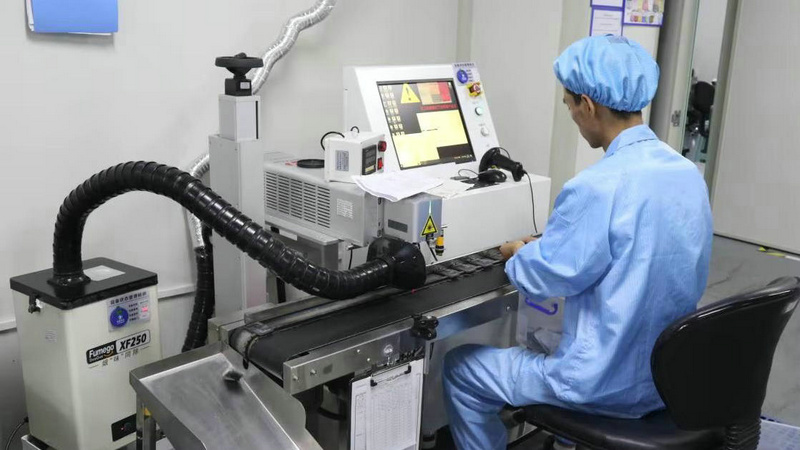
Code Printing
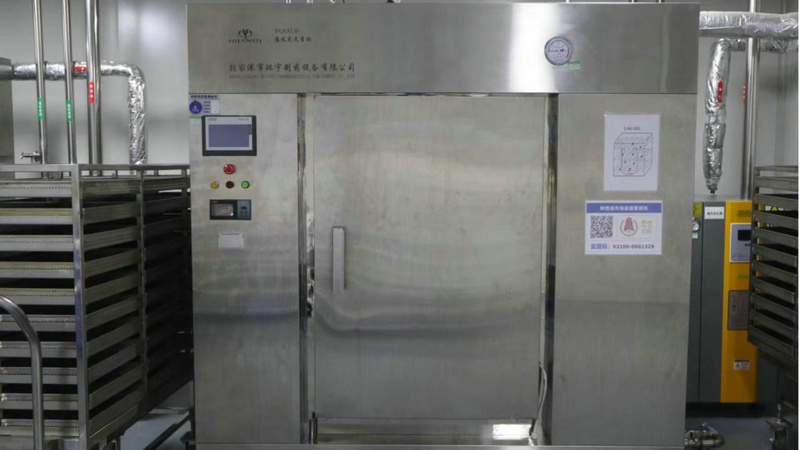
Sterilization

Packing
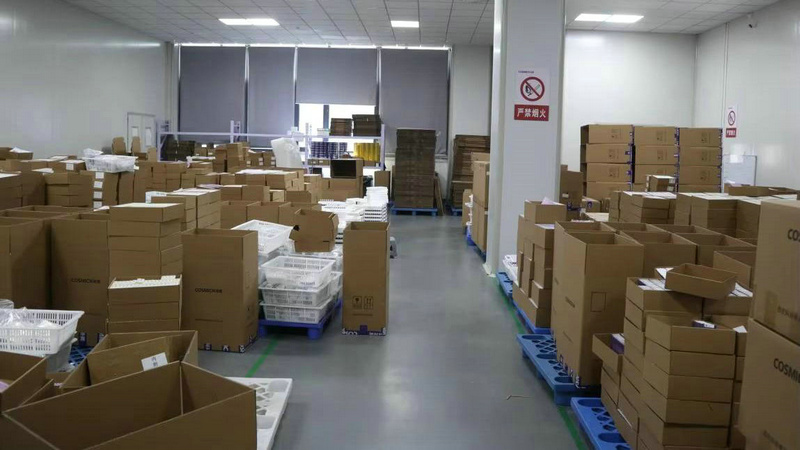
Finished Product
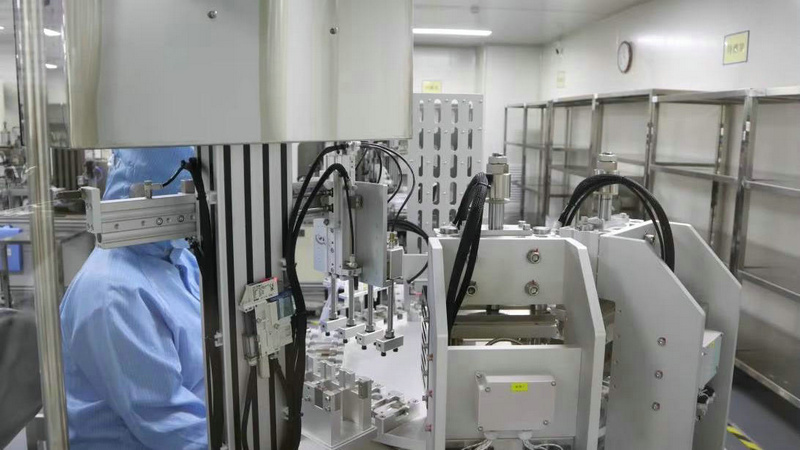
Filling Machine
🚀 Technology Roadmap & Future Outlook
How UV-protection is evolving with smart materials and manufacturing AI.
💡 Strategic B2B Industry Solutions
OEM/ODM Customization
Factories now offer "Full-Stack" solutions, including private label packaging, custom base curves, and proprietary color patterns to help brands differentiate in saturated markets.
Supply Chain Agility
Utilizing fully automated cast-molding reduces lead times from months to weeks, allowing distributors to maintain "Just-in-Time" inventory levels.
R&D Collaboration
Modern factories act as innovation partners, co-developing specialized lenses like myopia-control or high-astigmatism toric lenses with integrated UV protection.
📍 Localized Application Scenarios
High-Altitude Regions
In regions like the Andes or Himalayas, UV radiation increases by 10% for every 1000m of altitude. Lenses here require Class 1 UV blocking to prevent chronic photokeratitis.
Tropical Coastal Markets
High humidity and intense sun reflection off water make UV-blocking contact lenses essential for active lifestyle consumers who find sunglasses cumbersome during sports.
Urban Digital Workers
Modern professionals face "Digital Eye Strain." Factories are now combining Blue Light Filtering with UV protection to offer a 360-degree ocular shield.
❓ Frequently Asked Questions (B2B FAQ)
What is the difference between Class 1 and Class 2 UV protection?
Class 1 UV blockers absorb at least 90% of UVA and 99% of UVB. Class 2 blockers absorb 70% of UVA and 95% of UVB. For intense outdoor environments, Class 1 is the industrial gold standard.
Can colored contact lenses provide the same UV protection as clear lenses?
Yes. The UV-blocking monomer is integrated into the hydrogel or silicone hydrogel material itself, meaning the cosmetic pigments do not interfere with the lens's ability to block harmful rays.
How does Blinkylens ensure batch-to-batch consistency?
By using fully automated multi-lane cast-molding and AI-driven optical inspection systems, we eliminate human error, ensuring every lens meets the exact parameters of the master mold.
What are the MOQ requirements for custom UV lens production?
MOQs vary depending on the complexity of the design, but as a direct factory, we offer flexible scaling options for established distributors looking to launch private labels.
✨ Premium Product Catalog (Series II)
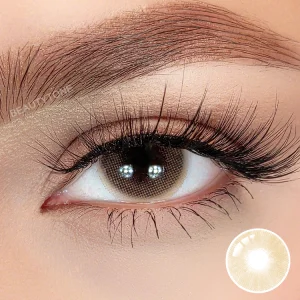
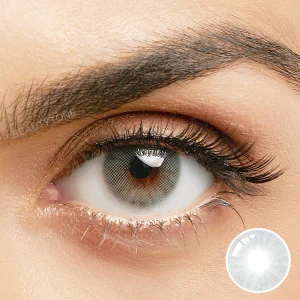
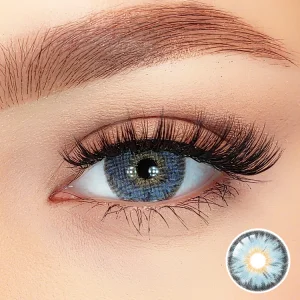
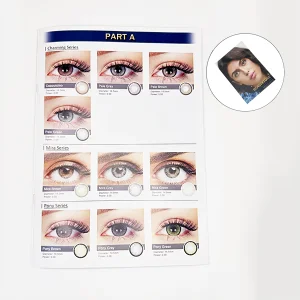
15+
Years Experience
50M+
Annual Capacity
80+
Export Countries
ISO
Certified Quality
Professional UV Protection Contact Lenses Manufacturing Insight. Expertly Curated for SEO Growth and User Intent Fulfillment.