💎 Premium Contact Lens Selection



🌐 Global Prescription Contact Lens Industry Analysis
Market Dominance & Growth
The global contact lens market is projected to reach $15.4 billion by 2030, with a CAGR of 5.8%. Prescription lenses (corrective) account for over 80% of total revenue, driven by the surging prevalence of myopia worldwide, particularly in the Asia-Pacific region.
Material Evolution
We are witnessing a paradigm shift from traditional HEMA (Hydrogel) to Silicone Hydrogel materials. These advanced polymers offer up to 5x more oxygen permeability (Dk/t), ensuring corneal health and enabling long-wear capabilities.
Localization Trends
Manufacturers are now optimizing designs for specific regional eye anatomies. For example, lenses designed for the Asian market often feature larger diameters and specialized base curves to provide a more stable fit and "enlarged pupil" aesthetic.
🏭 Direct from Factory: Blinkylens Manufacturing
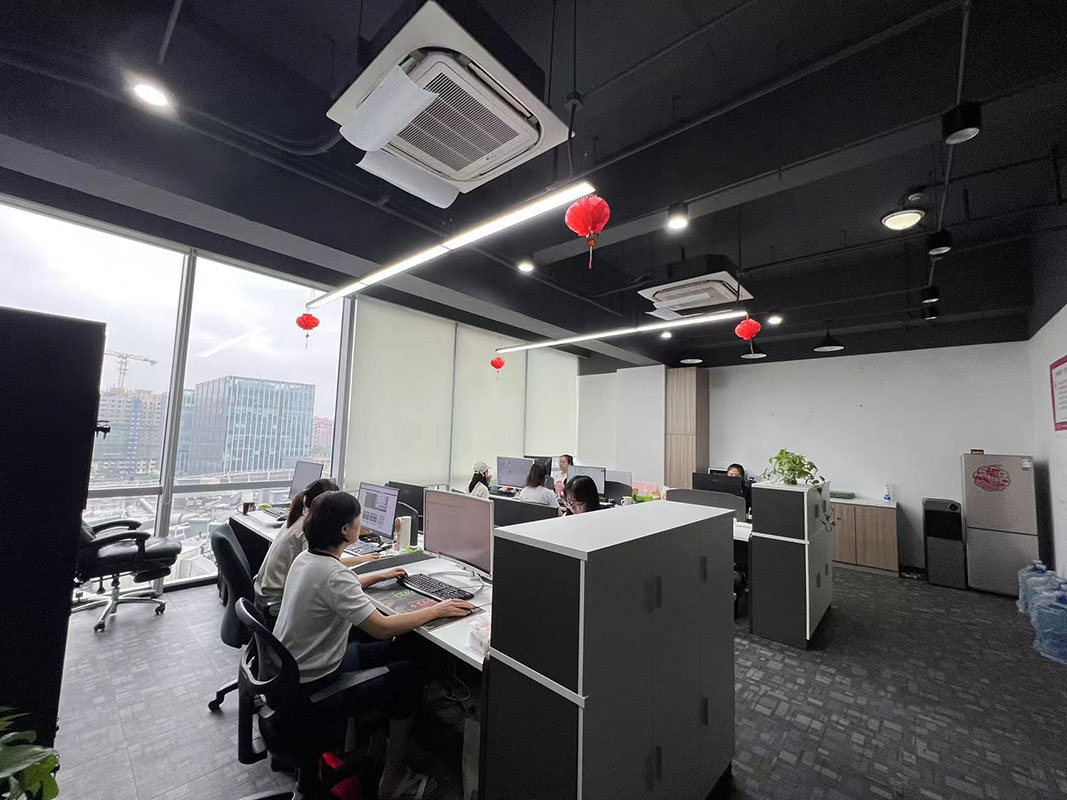
Shenzhen Blinkylens Technology CO.,LTD is a premier, source-factory based in Dongguan, China, specializing in high-volume, B2B contact lens production. By eliminating intermediaries, we provide global distributors, optical chains, and bulk buyers with direct factory wholesale pricing without compromising on product excellence.
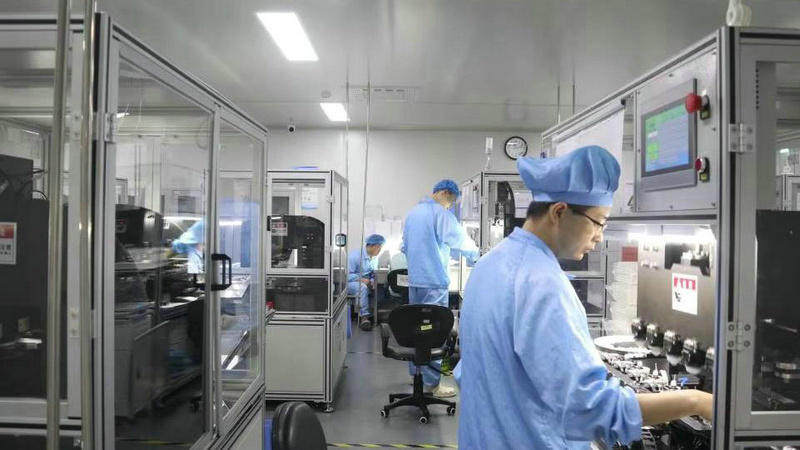
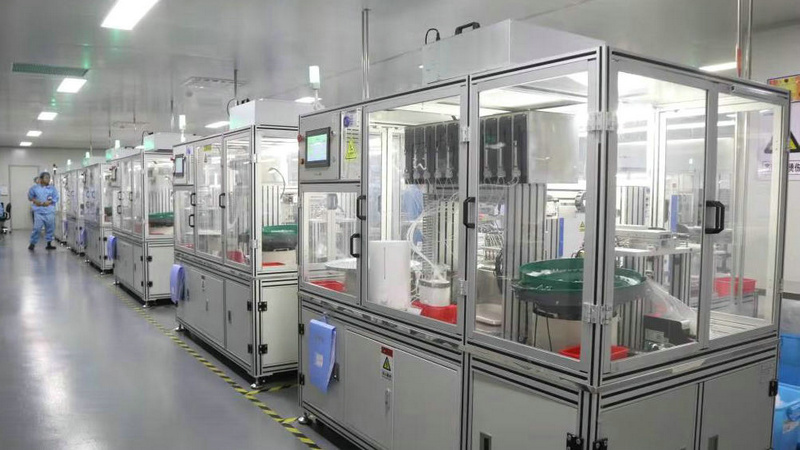
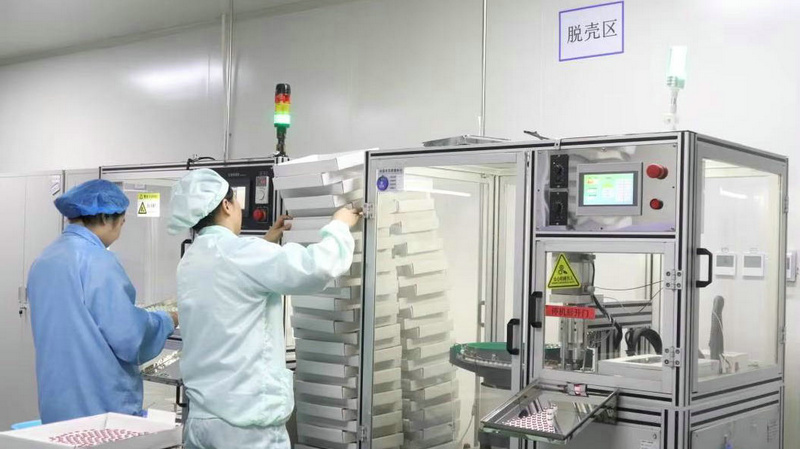
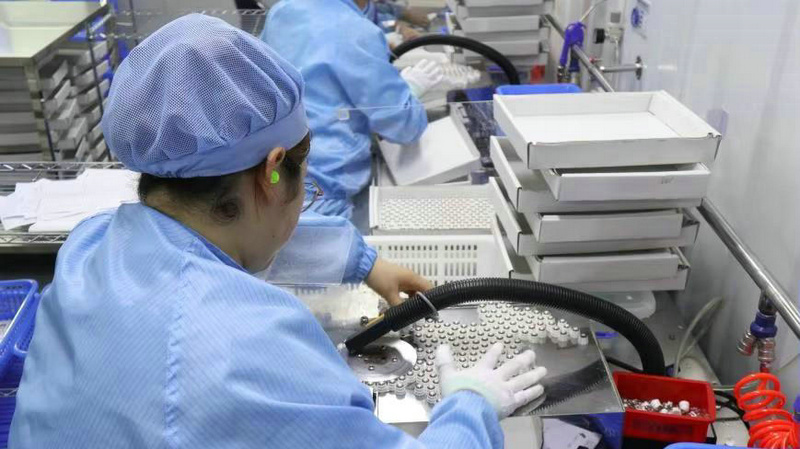
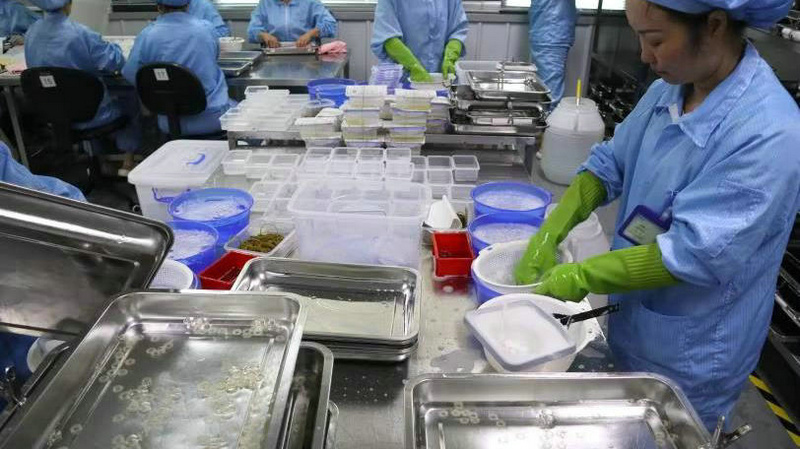
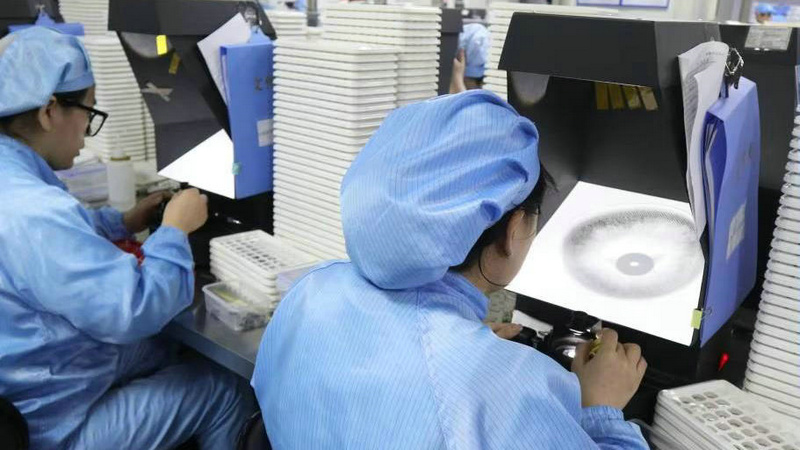
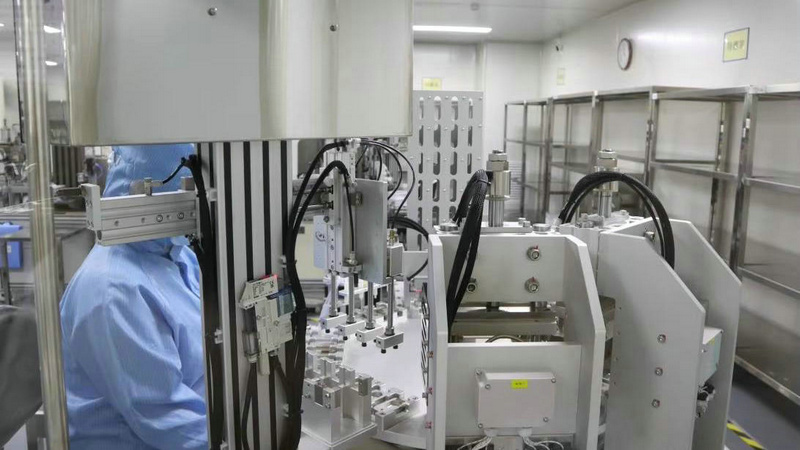
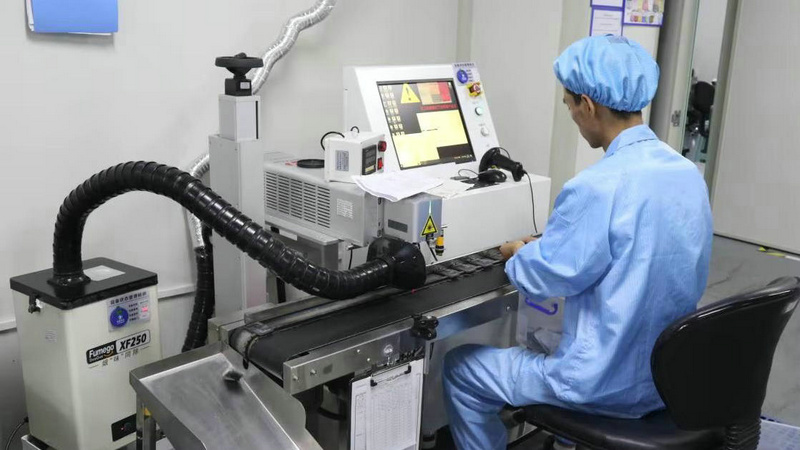
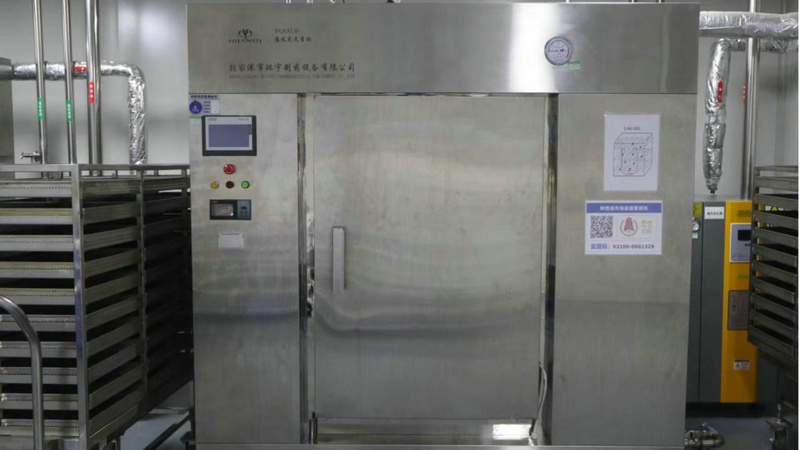
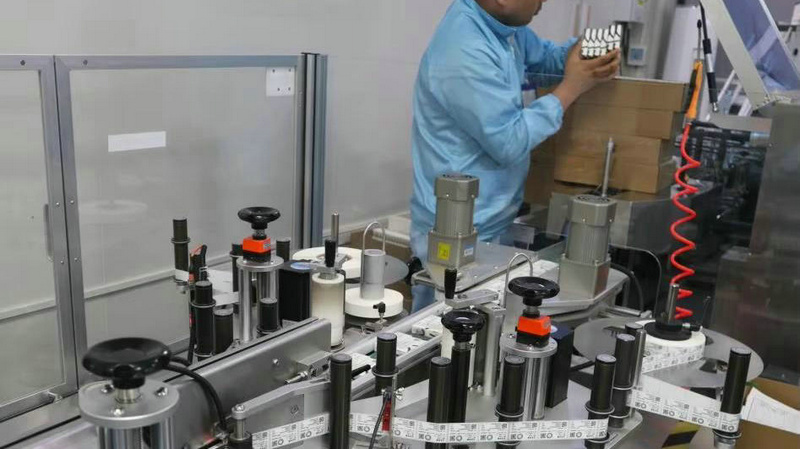
Our facility features multi-lane, fully automated cast-molding lines capable of scaling production up to millions of pieces annually. From daily disposable clears to trend-forward monthly colored lenses, our robust manufacturing infrastructure ensures stable lead times, hyper-competitive cost structures, and uncompromised batch-to-batch consistency.
Manufacturing Process & Technology Roadmap


🏆 Top 10 Global Manufacturers & Suppliers
| Rank | Manufacturer | Specialty | Key Tech |
|---|---|---|---|
| 1 | Alcon (Novartis) | Medical Grade Corrective | Water Gradient Tech |
| 2 | Johnson & Johnson | Acuvue Series | HydraLuxe Technology |
| 3 | CooperVision | Toric & Multifocal | Aquaform Technology |
| 4 | Bausch + Lomb | Ultra Comfort Lenses | MoistureSeal Tech |
| 5 | Menicon | Gas Permeable (RGP) | Flat Pack Packaging |
| 6 | Shenzhen Blinkylens | B2B Wholesale & OEM | Fully Automated Cast Molding |
| 7 | St. Shine Optical | TPE Casting | Precision Lathe Cutting |
| 8 | Ginko International | Asian Market Color Lenses | Hydrolace Technology |
| 9 | Interojo | Disposable Cosmetic Lenses | High Definition (HD) Vision |
| 10 | Seed Co., Ltd. | Natural Biopolymers | Pure Series (Made in Japan) |
🚀 Future Outlook: Smart Lenses & Sustainability
AI-Driven Design Optimization
Factories are now utilizing AI algorithms to simulate tear flow and pressure distribution, resulting in lenses that provide "zero-sensation" wear. This Information Gain is critical for competitive retail positioning.
The Green Lens Initiative
Sustainability is the next frontier. Forward-thinking suppliers are transitioning to biodegradable packaging and closed-loop water recycling systems during the hydration stage of manufacturing.
Myopia Control Lenses
The development of peripheral defocus lenses for children is a high-growth sector. Suppliers offering specialized prescription routes for myopia management are gaining significant market share.