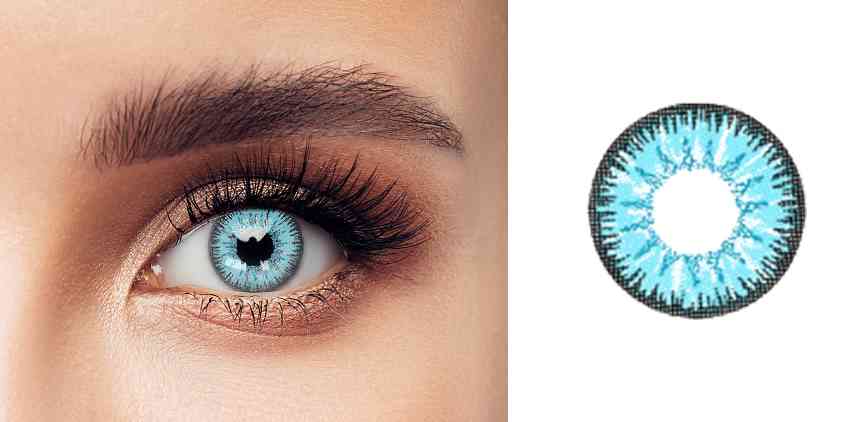
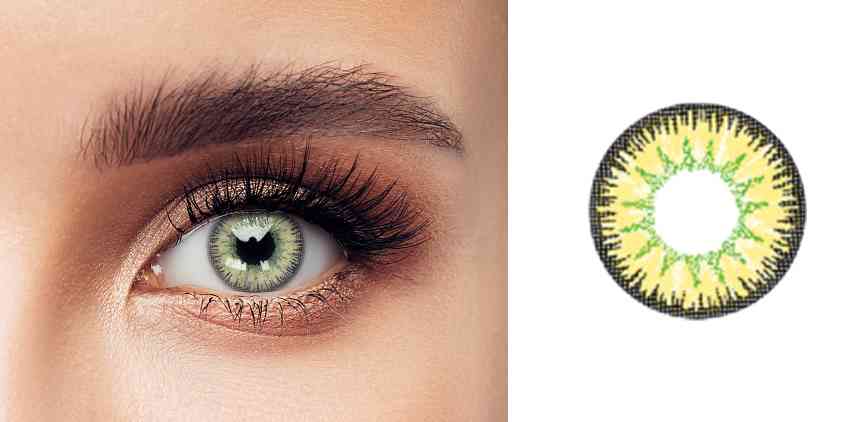
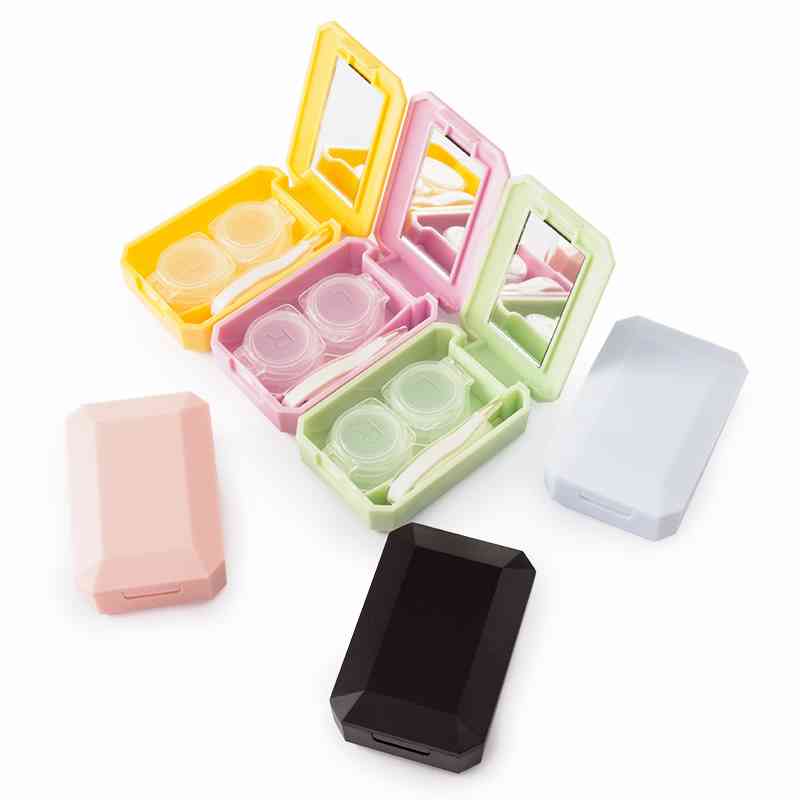
Trending Neon Series - Ready for Bulk Order
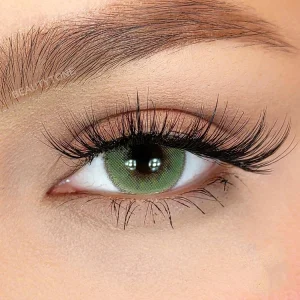
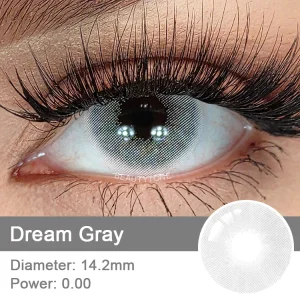
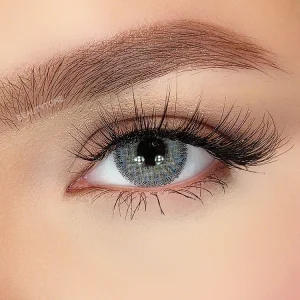
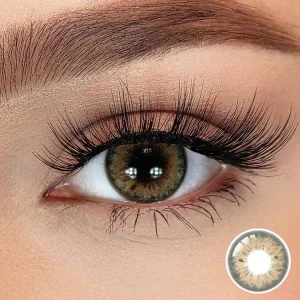
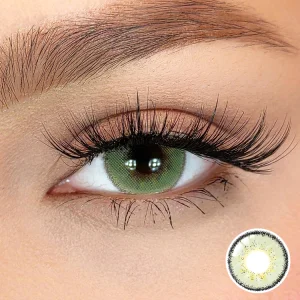
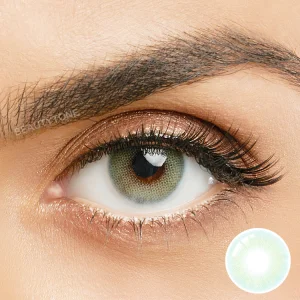
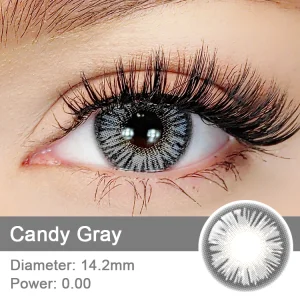
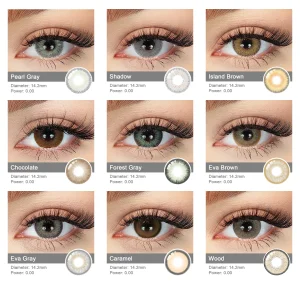
The Evolution of Neon Aesthetics in Global Vision Care
The global market for Neon Color Contact Lenses (often referred to as UV Glow or Blacklight lenses) has transcended the niche cosplay sector to become a powerhouse in the multi-billion dollar "Cosmetic Optometry" industry. Driven by the "Festival Economy" and the rise of short-form video content (TikTok/Instagram Reels), the demand for high-pigment, fluorescing lenses is at an all-time high.
Market Growth
The cosmetic contact lens market is projected to reach $1.5 billion by 2027, with "Effect Lenses" (Neon/Sclera/Glow) capturing a 22% CAGR. Global buyers are shifting from basic colors to advanced chromaticity.
Technological Pivot
Integration of Sandwich Printing Technology ensures that neon pigments never touch the cornea, solving the historical safety concerns associated with high-intensity dyes.
Consumer Demographics
While Gen Z remains the primary driver for clubbing and party scenarios, the professional FX (Special Effects) industry in Hollywood and Bollywood has increased bulk procurement for high-definition "Neon-Eye" looks.
Direct from Factory: Scaling the Neon Supply Chain
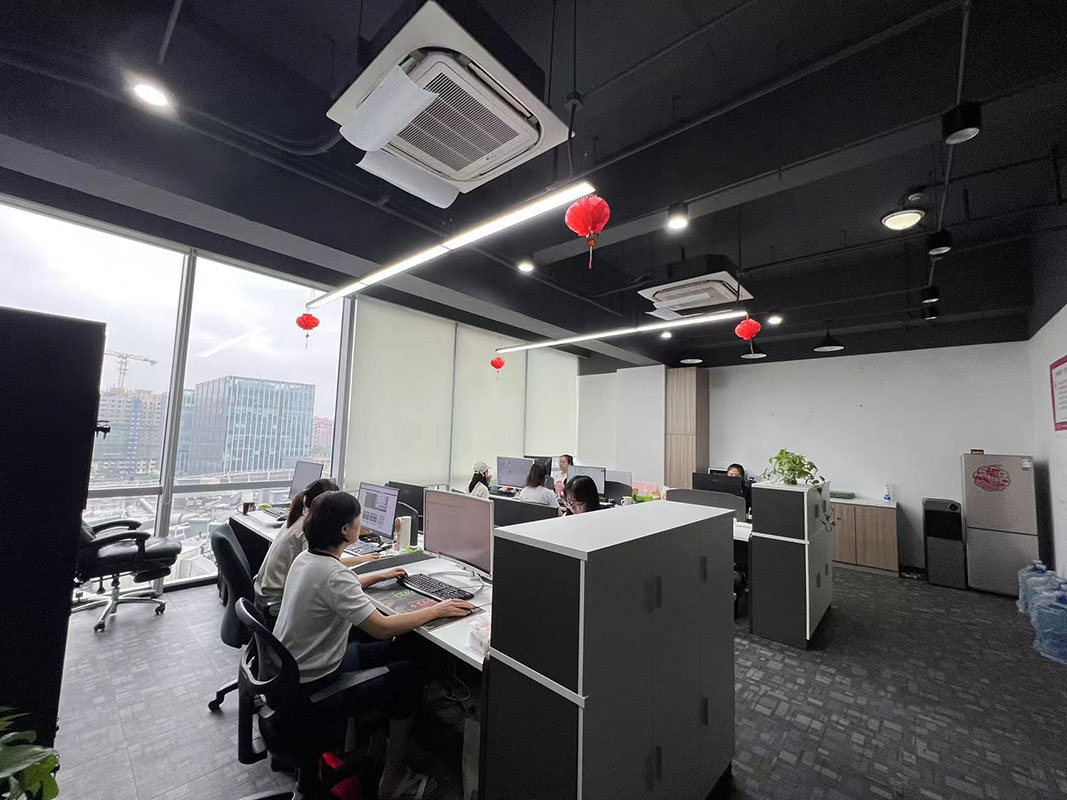
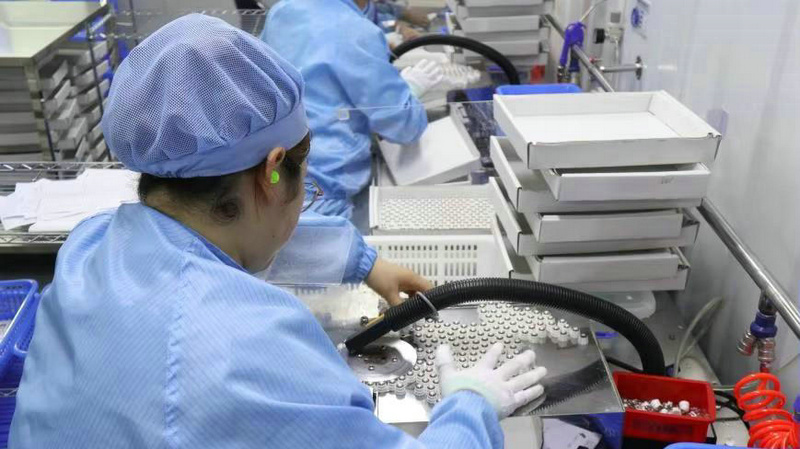
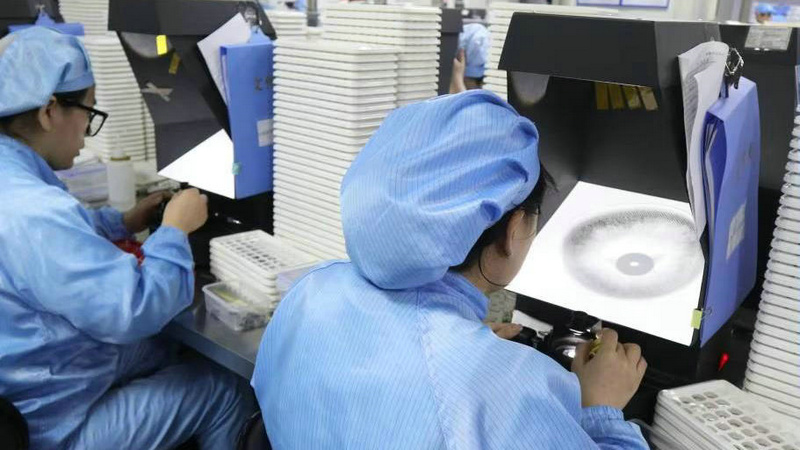
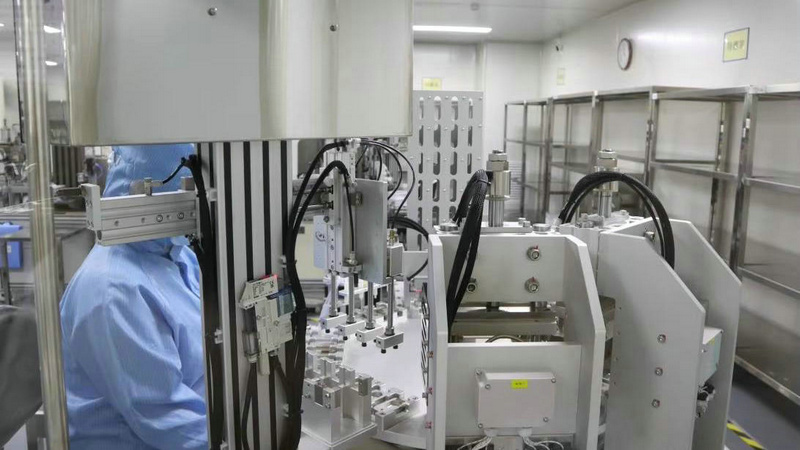
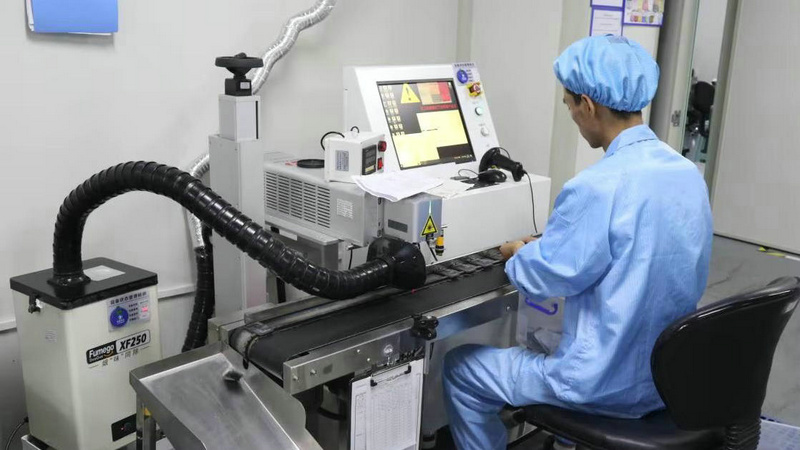
Our facility features multi-lane, fully automated cast-molding lines capable of scaling production up to millions of pieces annually. From daily disposable clears to trend-forward monthly colored lenses, our robust manufacturing infrastructure ensures stable lead times, hyper-competitive cost structures, and uncompromised batch-to-batch consistency. Partner with a true Chinese manufacturing powerhouse to maximize your market margins.
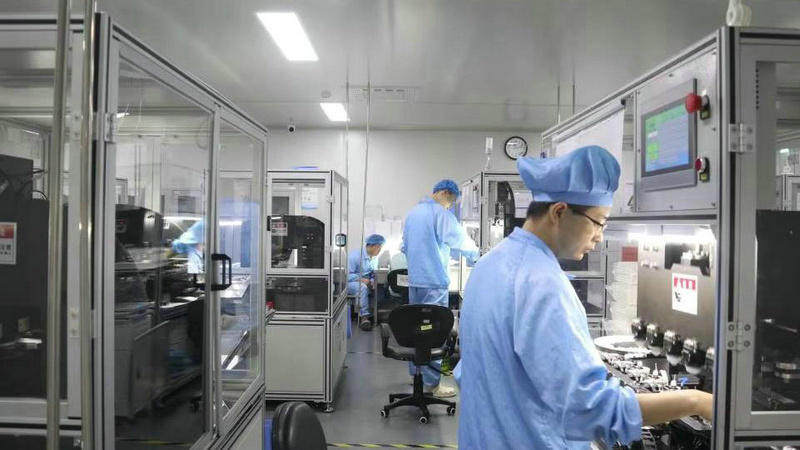
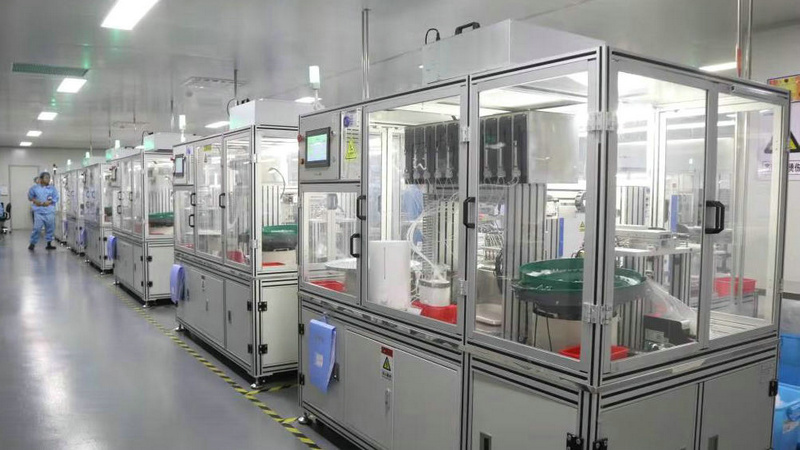
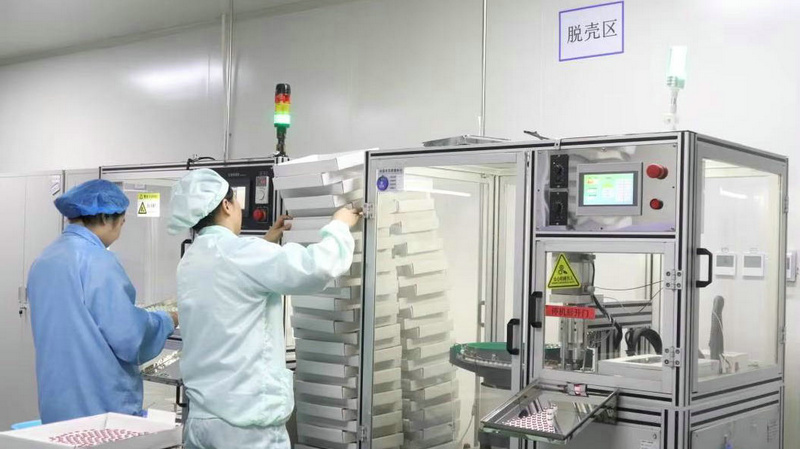
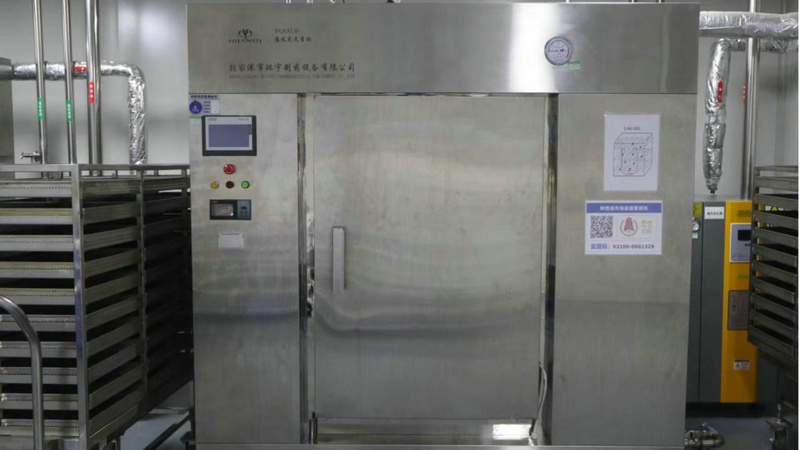
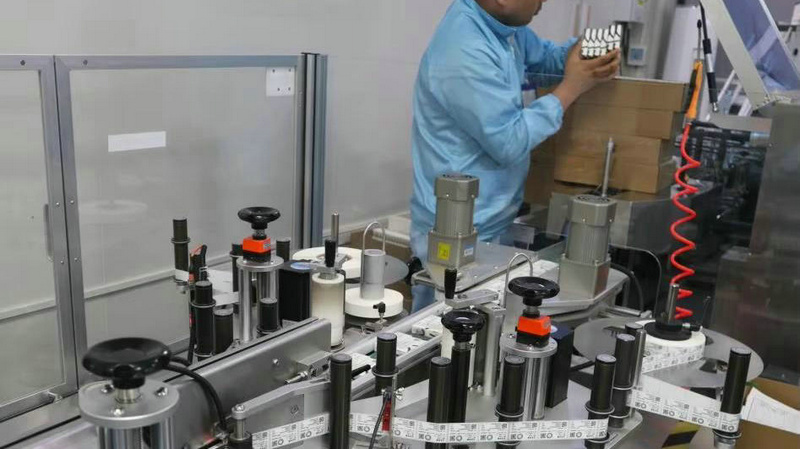
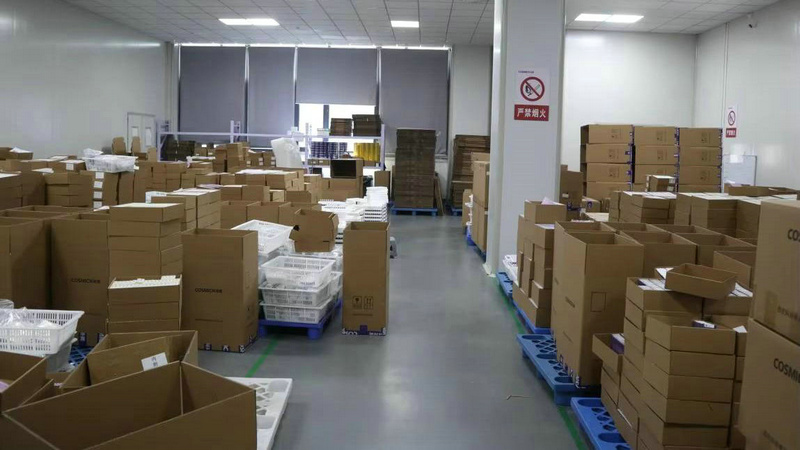
China Factory 4.0: Supply Chain Resilience & Efficiency
In the wake of global supply chain disruptions, the "China Factory 4.0" model has emerged as the gold standard for resilience. For B2B buyers of Neon Color Contacts, this means more than just low prices; it means Predictable Scalability.
Intelligent Inventory Management
Leveraging AI-driven forecasting to maintain raw material (HEMA/NVP) buffers, ensuring that even during peak "Halloween" or "Summer Festival" seasons, production never halts.
Hyper-Automation
By using fully automated multi-lane cast molding, factories like Blinkylens reduce human error by 99.8%, resulting in lenses with perfectly smooth edges and consistent Dk/t values.
Compliance as a Service
Leading Chinese factories now offer full regulatory support, providing CE 2195, ISO 13485, and FDA-standard documentation to facilitate smooth customs clearance in the EU, US, and MENA regions.
Global Procurement: Intent & Application Scenarios
Understanding the "Search Intent" of a global buyer involves looking at where these products actually end up. Neon lenses are no longer just for theatrical use.
1. The "Euphoria" Effect in High Fashion
Influenced by modern cinematography, high-fashion brands are utilizing UV-reactive neon lenses for runway shows and editorial photography, demanding lenses that are both visually striking and medically safe for long hours of wear.
2. Nightclub & Event Franchises
Large-scale entertainment groups in Ibiza, Las Vegas, and Tokyo procure neon contacts in bulk as part of "performer uniforms," requiring consistent color matching across thousands of units.
3. Specialized Retail Chains
Localized optical shops are increasingly stocking "Part-time Color" ranges to attract a younger demographic who may not need vision correction but desire aesthetic "Information Gain" in their social expression.
Industry Q&A: Expert Insights for B2B Buyers
A: Neon lenses utilize specialized fluorescent pigments that react to UV (blacklight). Unlike standard pigments that reflect visible light, neon pigments absorb UV rays and re-emit them in the visible spectrum, creating a "glow" effect.
A: Yes, provided they are manufactured using Sandwich Technology (or Double Cladding). This process encapsulates the color layer between two layers of clear hydrogel material, ensuring the dye never makes direct contact with the cornea.
A: For source factories like Blinkylens, MoQs for stock items can be as low as 50-100 pairs, while custom private label (OEM) designs typically start at 500-1000 pairs per SKU.
A: We utilize a "Vertical Integration" strategy, manufacturing our own molds and maintaining a 3-month lead on raw material stock, which allows us to bypass external supply shocks.
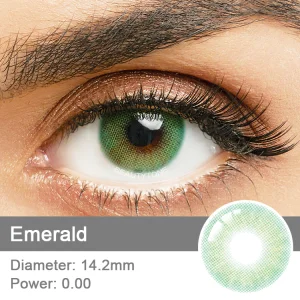
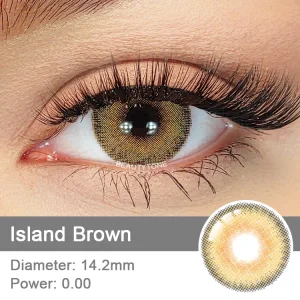
Premium Collection - Most Popular Selections
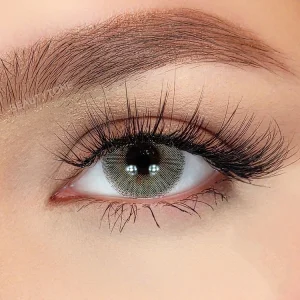
Factory Environment & Verification