Choosing the right Prescription Contact Lens can significantly enhance your vision and comfort. Dr. Emily Carter, an optometrist with over twenty years of experience, emphasizes, “The right contact lens can change how you see the world.” Each person’s eye shape, prescription, and lifestyle influence this choice.
There are various types of Prescription Contact Lens available today. Some lenses correct for nearsightedness or farsightedness. Others cater to astigmatism or presbyopia. You may find daily disposables convenient, while others might prefer monthly lenses. Your activities play a big role in your decision.
However, not all lenses suit everyone equally. Comfort can vary, and a lens that works for one may not be the best choice for another. It’s crucial to consult with an eye care professional. They can guide you through the options tailored to your unique vision needs. Each choice requires thought and understanding of your eyes’ health and your daily routine.
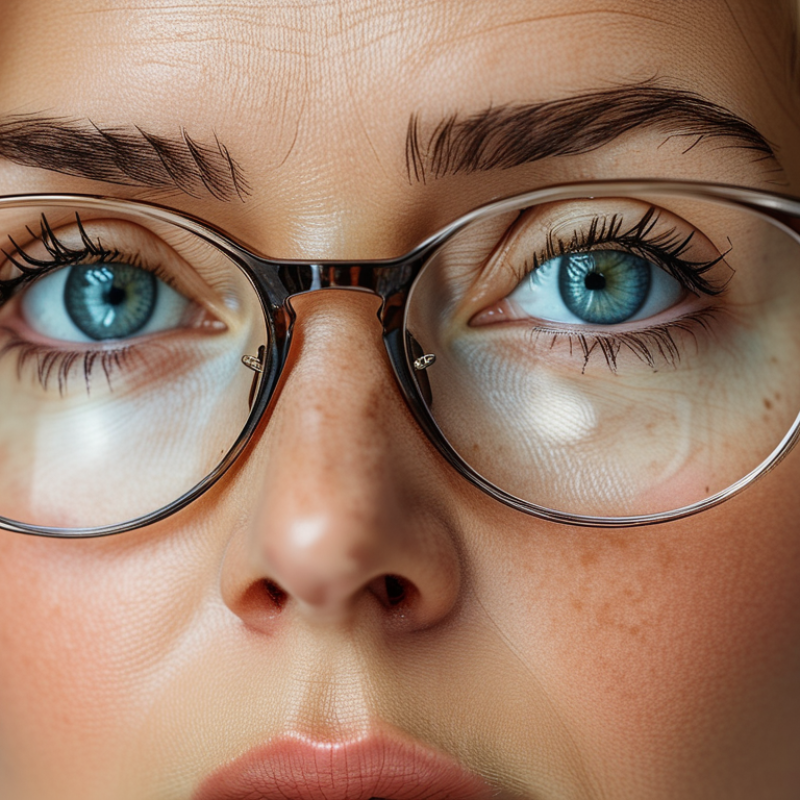
Choosing the right prescription contact lens involves understanding the various types available. Different lenses serve different needs, and knowing these options is key to comfort and eye health. Most common types include soft, rigid gas permeable, and specialty lenses. Soft lenses are popular due to their comfort and ease of use. They are great for daily wear and come in various prescriptions.
Rigid gas permeable lenses provide sharper vision. However, they may require an adjustment period. Some individuals prefer these for their durability and oxygen permeability. Specialty lenses address specific conditions like astigmatism, presbyopia, or keratoconus. Opting for the right type is crucial for your visual health.
Tips: Always consult with an eye care professional before choosing lenses. They can evaluate your eye condition accurately. Consider your lifestyle when selecting lenses; active individuals may prefer daily disposable options for convenience. Remember, lens care is vital. Improper cleaning can lead to irritation or infections. Prioritize understanding your unique needs for the best experience.
When selecting prescription contact lenses, several factors come into play. Your prescription is the most crucial element. It outlines the necessity for vision correction, including the sphere and cylinder values. An estimated 75% of adults wear some form of vision correction. Yet, many underestimate the need for a precise match.
Comfort is key. The material and design of the lenses impact how they feel on your eyes. Daily disposable lenses reduce the risk of dryness. A survey by the American Optometric Association shows that 44% of contact lens wearers experience discomfort. This indicates that not every lens suits everyone, requiring careful testing.
Additionally, lifestyle considerations matter. For active individuals, lenses designed for sport may offer better stability and vision clarity. Factors like UV protection should also be evaluated. The Vision Council reports that only 20% of contact lens wearers prioritize UV-blocking features. This neglect can lead to long-term eye health issues. Finding the right lens is complex and often requires professional guidance. Each choice holds implications for both comfort and health.
When choosing prescription contact lenses, it’s crucial to assess your vision needs and lifestyle preferences. Consider your daily activities. If you lead an active life, opt for lenses that offer durability. Some lenses are specifically designed for sports, providing better stability. Think about your work environment too. Those who spend prolonged hours in front of screens might prefer lenses that reduce eye strain.
Next, reflect on your comfort. Every person's eyes react differently to various materials. Trial and error may be necessary. Frequent dry eyes? You might need lenses with higher moisture content. On the other hand, if you have allergies, consider options designed to combat irritants. Your ideal lenses should make you feel comfortable throughout your day.
Don't overlook your aesthetic preferences. Some people love the option of colored lenses. They can enhance your look or simply provide a change. Whatever your vision needs, prioritizing comfort and fitting your lifestyle will lead to a better choice. Balancing these factors is key to finding the right prescription contact lenses, and it often requires some upfront investigation and adjustments along the way.
| Lens Type | Best For | Comfort Level | Wearing Schedule | Special Features |
|---|---|---|---|---|
| Daily Disposable | Occasional wearers | High | Daily use | Hygienic, no cleaning needed |
| Bi-Weekly | Regular wearers | Medium | Up to 2 weeks | Good balance of cost and convenience |
| Monthly | Frequent wearers | Medium to low | Up to 30 days | Cost-effective, longer wear period |
| Rigid Gas Permeable | Users needing crisp vision | High | Extended periods | Durable, great oxygen flow |
| Toric Lenses | Astigmatism correction | Medium to high | Daily, bi-weekly, or monthly | Specifically designed for astigmatism |
Choosing the best prescription contact lens can be overwhelming. This is where an eye care professional comes in. They possess the expertise to evaluate your vision needs and lifestyle. They understand that each person's eyes are unique. A personalized consultation helps identify the best fit for you.
During your visit, your eye care professional may ask about your daily activities. Do you spend hours on a computer? Are you often outdoors? These questions guide their recommendations. They can assess your eye health, considering factors like dryness or sensitivity. This personalized approach is more effective than online searches.
Remember, even the best contact lenses may not suit everyone. You might experience discomfort or vision issues after trying a new lens type. It’s important to communicate these experiences. Your eye care provider can then adjust your prescription. Finding the right contact lens is a journey that requires patience and open dialogue with your professional.
Caring for your contact lenses is vital for maintaining eye health. Proper hygiene is the first step. Always wash your hands before handling lenses. Use a lens solution to clean them, avoiding tap water. Remember that sharing lenses is a big no. This keeps your eyes safe from infections.
Storing lenses correctly is equally important. Keep them in a clean, designated case. Make sure the case is filled with fresh solution. Avoid reusing old solution, as it can harbor bacteria. It’s also essential to replace your lens case regularly.
Regular check-ups with an eye care professional can’t be overlooked. They can help spot issues early. Pay attention to discomfort or irritation. Redness or blurry vision are signals to remove your lenses immediately. Adapting your habits enhances your experience with contact lenses. Adjusting your routine may take time, but your eyes will thank you.
: The main types are soft, rigid gas permeable, and specialty lenses. Each serves different needs.
Soft lenses provide comfort and ease of use. They are suitable for daily wear and come with various prescriptions.
They offer sharper vision and durability. However, they may require an adjustment period for some users.
Specialty lenses address conditions like astigmatism or presbyopia. They are tailored to specific vision issues.
Professionals help evaluate your unique vision needs. They can provide personalized recommendations based on your lifestyle.
Communicate any discomfort to your eye care provider. They can adjust your prescription or suggest alternatives.
Always wash your hands before handling lenses. Use lens solution for cleaning, and never use tap water.
Store lenses in a clean case filled with fresh solution. Avoid reusing old solution to prevent bacteria growth.
Watch for redness, irritation, or blurry vision. These signals mean it's time to take out your lenses.
Adjusting habits and routines can take time. Be patient; your eyes will benefit from proper care and attention.
When selecting the best prescription contact lens for your needs, it's essential to understand the various types available, including daily wear, extended wear, and specialty lenses. Each type caters to different vision correction requirements, so identifying your specific needs is crucial. Factors such as your lifestyle, daily activities, and comfort preferences should guide your decision-making process.
Consulting with an eye care professional can provide personalized recommendations tailored to your vision needs and lifestyle. They can help you evaluate not just the type of prescription contact lens that suits you best, but also offer guidance on proper maintenance and care to ensure optimal performance and eye health. By taking these steps, you can find the ideal prescription contact lens that enhances your vision while complementing your daily life.
