Best Non Prescription Contact Lenses for Clear Vision Today?

Time:2026-07-12 Author:Liam
0%

As the demand for vision correction grows, many people explore the benefits of Non Prescription Contact Lenses. Dr. Emma Collins, an optometrist with over a decade of experience, emphasizes the importance of vision clarity: "Choosing the right lens can significantly impact your daily life." Non prescription options provide a flexible solution for those who need comfort without formal prescriptions.

The market offers a variety of Non Prescription Contact Lenses, catering to different needs and preferences. These lenses can enhance your natural eye color or simply help with comfort during long hours of use. They are ideal for those who wish to avoid glasses without compromising their eye health. However, it’s essential to prioritize quality over convenience.

Some individuals may overlook the potential drawbacks of Non Prescription options. Poorly chosen lenses can lead to discomfort or even eye infections. Therefore, understanding your eye health is crucial. Consulting with a professional ensures you choose a suitable lens while maintaining proper care standards.
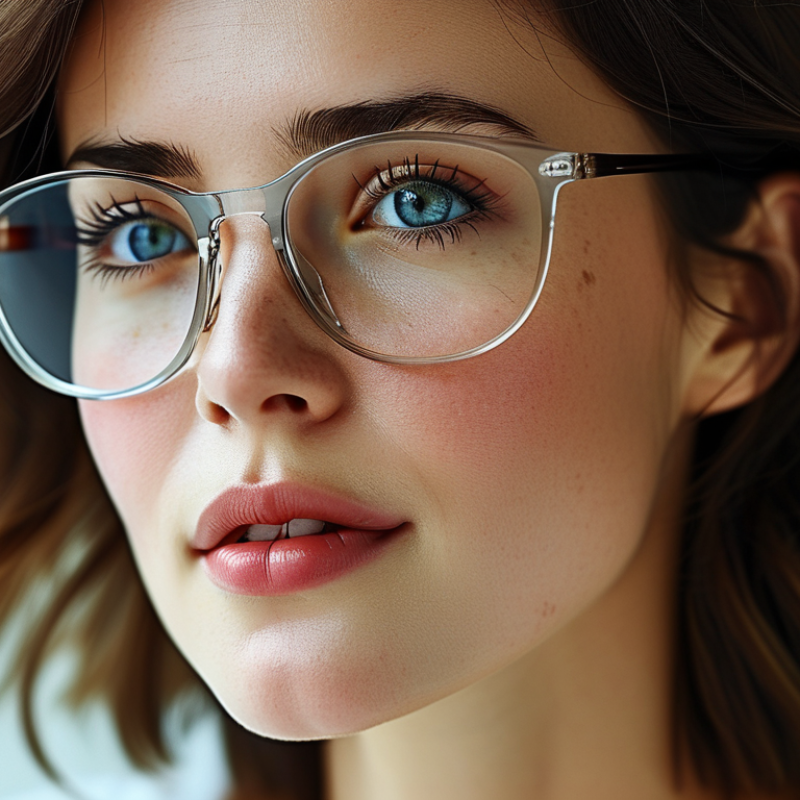
Best Non Prescription Contact Lenses for Clear Vision Today?

Overview of Non-Prescription Contact Lenses

Non-prescription contact lenses are gaining traction among consumers seeking visual enhancement. According to a recent report from the American Optometric Association, approximately 30% of adults use some form of contact lenses for cosmetic purposes. These lenses can help individuals achieve a clear and vibrant appearance without the need for a prescription.

These lenses are popular for various reasons. They offer instant aesthetic changes, such as color enhancement. For example, studies suggest that blue lenses are preferred by 40% of wearers, while green and hazel options follow closely behind. However, clarity and comfort are paramount. Reports indicate that up to 25% of lens users experience discomfort, underscoring the importance of material quality and proper care.

Despite their appeal, potential users should consider the drawbacks. Many are unaware of hygiene guidelines, leading to risks of infections. The Centers for Disease Control and Prevention highlights that 85% of contact lens wearers do not practice appropriate lens care. This lack of awareness can diminish the overall experience. Opting for non-prescription lenses requires thoughtful consideration and education to ensure a safe choice for clear vision.

Types of Non-Prescription Contact Lenses Available

When it comes to non-prescription contact lenses, there are several types to consider. These lenses are designed for various purposes, catering to different needs. One popular type is cosmetic lenses. They are available in vibrant colors and patterns. Cosmetic lenses can enhance your natural eye color or completely change it. These lenses can be fun for special occasions.

Another option is decorative contact lenses. They often feature designs or effects, such as cat eyes or spiral patterns. However, these lenses should not be worn daily. They can limit your vision and may cause discomfort. It's essential to select lenses that prioritize comfort and safety. Consult an eye care professional if unsure about suitable types for your needs.

Lastly, there are plano lenses. These lenses do not contain corrective power but serve as a fashion accessory. Plano lenses offer a comfortable fit without affecting vision. They can be an appealing choice for individuals who want to try contact lenses without a prescription. Always consider your eye health while exploring non-prescription options.

Benefits of Using Non-Prescription Contact Lenses

Non-prescription contact lenses are gaining popularity for clear vision. They provide a convenient alternative for people who don't want to wear glasses. Data from the American Optometric Association shows that nearly 25% of adults in the U.S. use contact lenses, and a growing segment chooses non-prescription options. These lenses are designed for cosmetic purposes and can enhance natural eye color. This aesthetic boost is particularly appealing to younger consumers.

Another benefit is comfort. Many non-prescription lenses are made from breathable materials. According to industry research, 80% of contact lens wearers report comfort improvements with advanced materials. However, this does not mean they are free from drawbacks. Improper use and inadequate hygiene can lead to infections. Regular cleaning and proper application are essential. Additionally, not every eye shape fits every lens comfortably, which can cause discomfort.

Consumer education is vital in choosing the right option. Many users may overlook the risks associated with non-prescription lenses. They may not realize that the absence of a prescription can lead to poor fit and potential issues. While these lenses offer a quick fix for vision enhancement, their effectiveness greatly depends on individual eye health and care. Balancing aesthetics with safety is crucial for any lens user.

Best Non Prescription Contact Lenses for Clear Vision Today

This chart illustrates the various benefits of non-prescription contact lenses, with ratings from 1 to 10 on factors such as comfort, clarity, durability, hydration, and cost. Each benefit is essential for enhancing the overall experience of using these lenses for clear vision.

Factors to Consider When Choosing Non-Prescription Lenses

When choosing non-prescription contact lenses, several critical factors should be considered. Comfort and fit are paramount. According to a report from the American Optometric Association, discomfort leads to a significant drop in lens wear time. Users often report that poorly fitted lenses make them squint or cause dryness. It's essential to prioritize a lens style that aligns with your eye shape and lifestyle needs.

Another factor is lens material. Lenses made from silicone hydrogel allow for increased oxygen flow to the eye. Research indicates that these materials reduce the risk of complications, such as dryness or redness, by over 30%. Many users may overlook this aspect, focusing instead on aesthetics. The choice of color or design should not overshadow the importance of the lens material, which directly affects eye health.

Finally, UV protection is vital. The Centers for Disease Control and Prevention emphasizes that UV-blocking lenses help shield eyes from harmful rays. This is often underestimated, but such protection is critical for long-term eye health. Every detail counts, and the right non-prescription contact lens can enhance both vision and comfort significantly. Reflecting on these factors can lead to a more informed choice that balances beauty and practicality effectively.

Best Non Prescription Contact Lenses for Clear Vision Today?

Lens Type Material Water Content UV Protection Duration of Use Price Range
Daily Wear Hydrogel 38% - 55% Yes 1 Day $20 - $40
Monthly Wear Silicone Hydrogel 40% - 70% Yes 30 Days $30 - $60
Colored Lenses Hydrogel 38% - 55% Limited 1 Day / 1 Month $25 - $50
Toric Lenses Silicone Hydrogel 40% - 60% Yes 2 Weeks / 1 Month $40 - $80

Top Brands for Non-Prescription Contact Lenses Today

When considering non-prescription contact lenses, consumers often look for clarity and comfort. Recent studies reveal that nearly 25% of contact lens users prefer non-prescription options due to ease and accessibility. These lenses, designed for aesthetic enhancement and basic vision correction, include options such as colored and cosmetic lenses.

Leading industry experts emphasize the importance of proper usage. Data shows that improper lens care can lead to significant eye health risks. Over 40% of users reported issues after neglecting hygiene practices. Regular cleaning and replacement schedules are essential for maintaining lens integrity. Many users fail to follow guidelines, leading to discomfort or infections, highlighting the need for education in this area.

Consumer preference typically leans toward brands known for their comfort and aesthetic appeal. In a recent survey, users cited comfort as the top factor in their choices. Yet, some reported dissatisfaction due to varying quality among brands. The market is competitive, and many brands offer different levels of performance. It's crucial for consumers to research and find lenses that suit their individual needs and to always prioritize eye health.

FAQS

: What are non-prescription contact lenses?

: Non-prescription contact lenses enhance appearance without needing a prescription. They are popular for cosmetic purposes.

Why do people choose non-prescription lenses?

Many prefer non-prescription lenses for instant aesthetic changes. They can enhance natural eye color or provide a vibrant look.

What types of non-prescription lenses are available?

Options include cosmetic lenses, decorative lenses, and plano lenses. Each serves different needs and preferences.

How do cosmetic lenses differ from decorative lenses?

Cosmetic lenses enhance color, while decorative lenses feature designs. Decorative lenses may limit vision and cause discomfort.

What should I consider when choosing lenses?

Comfort and fit are crucial. Poorly fitted lenses can lead to discomfort and reduced wear time.

How important is lens material?

Lens material affects eye health. Silicone hydrogel lenses enhance oxygen flow and reduce complications, which many overlook.

Can non-prescription lenses cause infections?

Yes, improper hygiene increases infection risk. Many users do not follow care guidelines, which can harm eye health.

Is UV protection necessary for non-prescription lenses?

Yes, UV protection is vital. It shields eyes from harmful rays and is often underestimated by users.

How can I ensure comfort with non-prescription lenses?

Choose lenses that fit well and prioritize safety. Consult an eye care professional if in doubt about your options.

What are the potential drawbacks of non-prescription lenses?

Drawbacks include discomfort, risks of infection, and lack of vision correction. Users often need to reflect on their choices carefully.

Conclusion

Non Prescription Contact Lenses offer a convenient option for individuals seeking clear vision without the need for a prescription. These lenses come in various types, including colored lenses for cosmetic enhancement and those designed for special occasions. The primary benefits of using non-prescription contact lenses include ease of use and immediate availability, making them an appealing choice for many.

When selecting a Non Prescription Contact Lens, several factors should be taken into account, such as comfort, eye health, and the specific purpose of usage. It's essential to choose high-quality lenses from reputable sources to ensure safety and optimal vision. Understanding the different options and considering personal needs can lead to an enjoyable and fulfilling experience with non-prescription lenses.

Liam

Liam

Liam is a dedicated marketing professional with a profound expertise in the industry, where he excels at highlighting the unique advantages of our core products. With a keen understanding of market trends and consumer needs, Liam frequently updates our company’s professional blog, providing......